Carbohydrates
Found in grains, legumes, fruit, and vegetables. A common source of everyday energy, with whole-food forms also supplying fibre and a range of micronutrients.
A neutral overview of the parts that make up the food we eat. We explain what the terms mean and point to public references, so you can read further at the original source.
Carbohydrates, proteins, and fats are the nutrients we need in larger amounts. Each plays several roles, and most whole foods contain a mix rather than just one.
Found in grains, legumes, fruit, and vegetables. A common source of everyday energy, with whole-food forms also supplying fibre and a range of micronutrients.
Present in foods such as legumes, eggs, dairy, fish, meat, tofu, and nuts. Made of amino acids the body uses for many structural and functional purposes.
From oils, nuts, seeds, avocado, dairy, and fish. They carry flavour, support absorption of some vitamins, and add lasting satisfaction to meals.
Needed in smaller amounts, micronutrients support countless everyday processes. A varied diet built around plants, whole grains, and a range of protein sources generally provides a broad spread of them.
Where a specific need is involved, public health bodies publish detailed reference intakes — a far better source than general marketing claims.
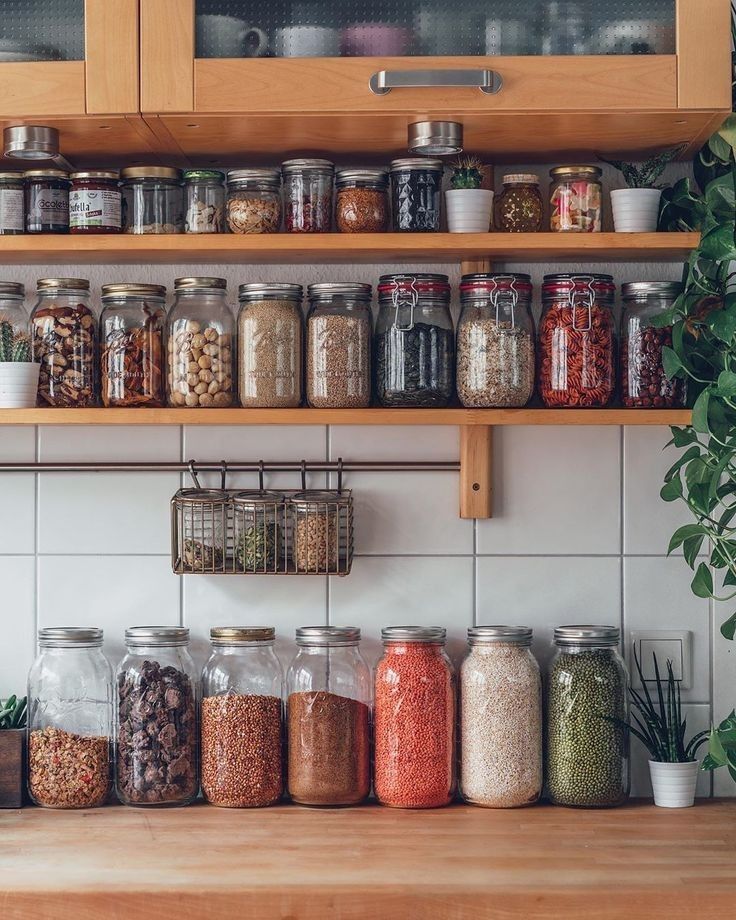
Fibre is the part of plant foods the body does not fully break down. It is widely discussed in public dietary guidance for its role in everyday digestion and in helping meals feel satisfying. Whole grains, legumes, fruit, vegetables, nuts, and seeds are common sources.
Water is the simplest default drink with meals. Needs vary with climate, activity, and the individual, so general figures are only a rough guide.
Visual cues — like a handful or a palm — are an easy way to think about amounts without weighing food.
Less-everyday foods can sit comfortably within a varied pattern; balance is about the overall picture.
Labels are easier to use once you know what to look at first. Here is a calm order to read them in.
Every figure on the panel relates to this amount, which may differ from how much you actually eat.
They are listed by weight, so the first few tell you what the product mostly contains.
Per-100g figures make it fairer to compare two similar products side by side.
Our healthy eating guides turn this groundwork into flexible, everyday plates you can adapt.