Variety over restriction
A wider range of plants and whole foods usually does more good than cutting things out. We lean toward adding rather than banning.
These pages explain how meals tend to fit together so you can shape choices around your own taste, budget, and routine. None of this is a prescription; it is general information you can take or leave.
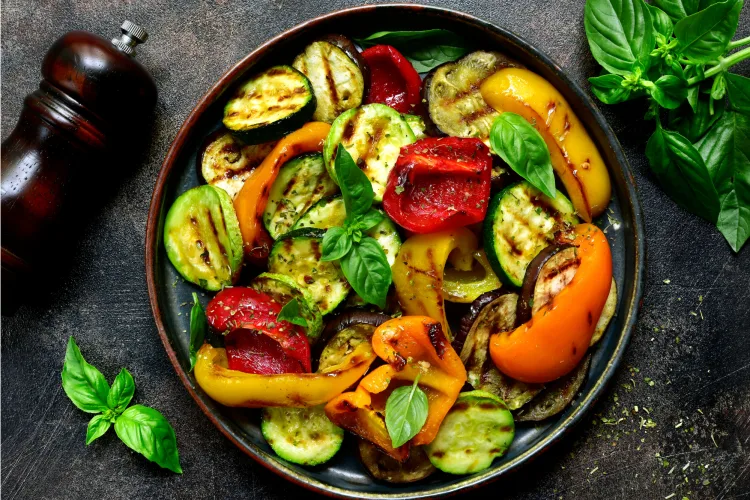
We treat healthy eating as a flexible pattern rather than a fixed menu: mostly whole foods, a range of plants, enough protein, and meals that you actually enjoy and can repeat. There is rarely one correct answer, and context matters.
Because tastes, cultures, and circumstances differ, our guides describe general principles and trade-offs instead of strict rules. The goal is understanding, so your decisions feel informed rather than imposed.
A wider range of plants and whole foods usually does more good than cutting things out. We lean toward adding rather than banning.
Rough proportions on a plate are easier to keep up than precise measurements, and they leave room for real life.
Home cooking gives you more say over ingredients. We share approaches that keep it light rather than demanding.
What suits one person may not suit another. We describe options and let you weigh what fits your week.
Meals you look forward to are the ones you keep. Pleasure is part of a pattern you can sustain.
Planning around what you already have is good for the kitchen and the budget alike.
Treat these as starting proportions to adjust, not targets to hit exactly.
Plate models are popular because they are forgiving. Rather than counting anything, you eyeball rough sections and adjust to your appetite and activity. The same frame works for a stir-fry, a grain bowl, a roast dinner, or a sandwich with a side salad.
Hungrier day? Larger portions across the board. Lighter day? Scale them down. The proportions stay roughly steady while the total flexes with you.
Roots, brassicas, and slow-cooked dishes that make the most of hearty, affordable produce.
Crisp salads, quick grills, and fruit at its best — meals that need little time at the stove.
A mix of both, leaning on pantry staples while fresh options change over.
Frozen and tinned vegetables, legumes, and grains keep variety within reach any week.
Rather than a dramatic reset, our guides favour gentle, repeatable adjustments you can build on over time.
Pick a single meal to make a little more balanced before changing the rest of the day.
Keep a few reliable staples on hand so a reasonable meal is always within reach.
Pay attention to what works for you. Adjust calmly instead of starting over.
Our nutrition pages explain the components behind these meals in the same plain, well-sourced way.